

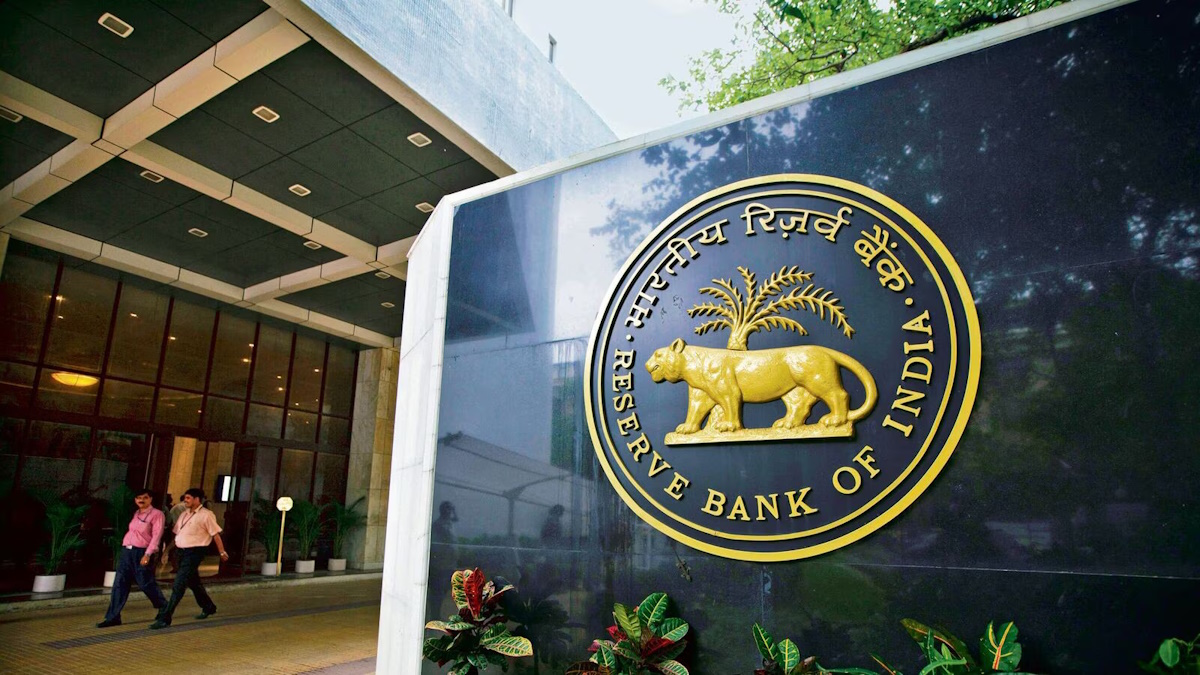
The Reserve Bank of India (RBI) has finalized norms for self-regulation in the fintech sector, marking a significant step towards enhancing regulatory oversight and fostering innovation. These norms aim to balance the need for innovation with the importance of maintaining regulatory compliance and consumer protection.
Key Provisions of the Self-Regulation Norms
- Industry Standards: Establishing industry standards for fintech operations, including guidelines for data protection, cybersecurity, and risk management.
- Self-Regulatory Organizations (SROs): Encouraging the formation of SROs that will be responsible for developing and enforcing self-regulatory standards within the fintech sector.
- Compliance Frameworks: Implementing compliance frameworks that fintech companies must adhere to, ensuring they meet regulatory requirements and maintain high standards of conduct.
- Consumer Protection: Enhancing consumer protection by establishing guidelines for transparency, fairness, and grievance redressal.
Benefits of Self-Regulation
Self-regulation offers several benefits for the fintech sector:
- Flexibility: SROs can quickly adapt to changes in the industry and update standards as needed, ensuring that regulations remain relevant and effective.
- Industry Expertise: SROs are composed of industry experts who have a deep understanding of the sector’s nuances, enabling the creation of more effective regulatory standards.
- Cost-Effectiveness: Self-regulation can reduce the regulatory burden on government agencies, allowing them to focus on broader oversight while the industry manages specific compliance issues.
Challenges and Considerations
Implementing self-regulation also presents challenges, including:
- Conflict of Interest: Ensuring that SROs prioritize regulatory objectives over individual interests is crucial to maintaining the effectiveness of self-regulation.
- Accountability: Maintaining transparency and accountability within SROs is essential to build trust and ensure compliance.
- Consistency: Achieving uniform standards and practices across a diverse industry can be challenging, particularly when different players have varying levels of resources and capabilities.
Conclusion
The RBI’s finalization of norms for fintech self-regulation represents a significant step towards enhancing regulatory oversight and fostering innovation in the sector. By establishing industry standards, encouraging the formation of SROs, and implementing compliance frameworks, the RBI aims to create a balanced regulatory environment that supports innovation while ensuring consumer protection and regulatory compliance.
Source of the news: MSN News

