

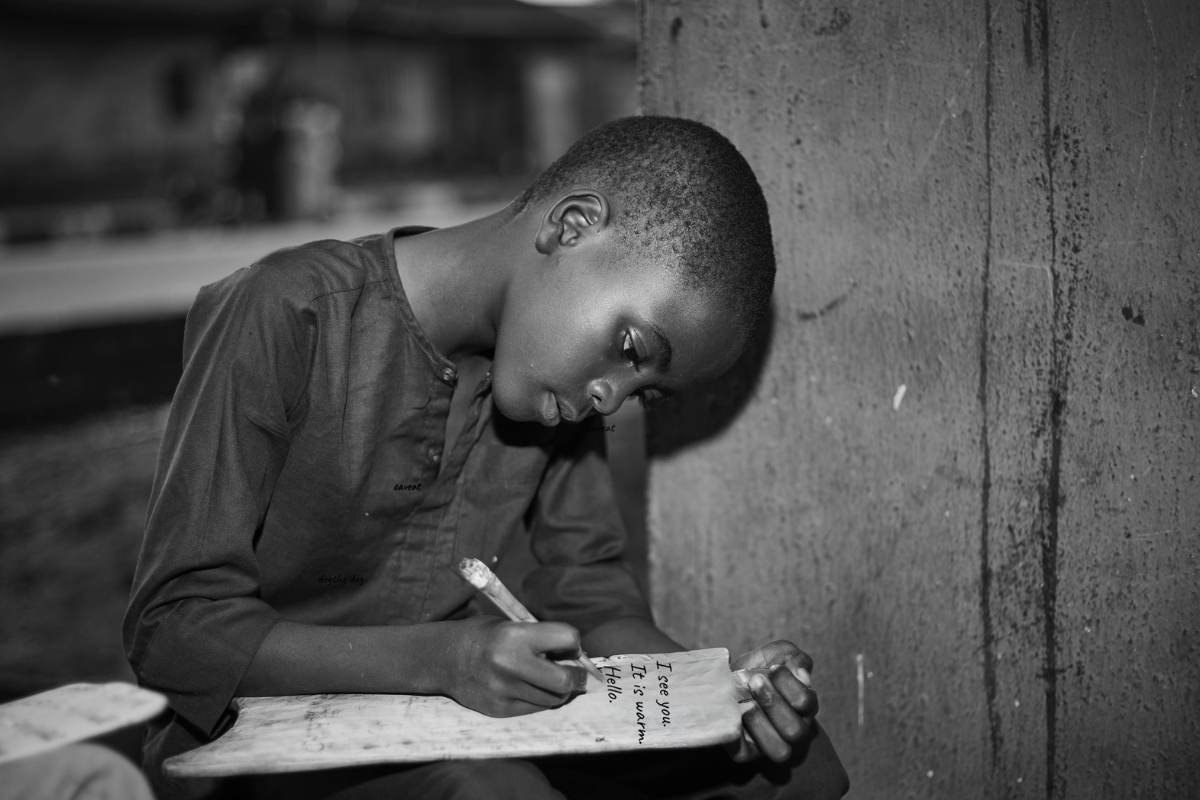
Low computer ownership and uneven digital literacy mean many South Africans are still excluded from the basic tools needed to participate in an AI-driven economy.
On the surface, South Africa’s digital credentials tell only part of the story. The country ranks 46th out of 147 economies in Microsoft’s Global AI Diffusion Report for Q1 2026, ahead of every other African country measured, and its generative AI usage has risen to 23.1% of the working-age population. Yet for the majority of South Africans, the conversation about artificial intelligence is happening in a world they cannot fully access. Only 16% of adults own a computer, and many have never used one.
When a Laptop Costs More Than a Month’s Wages
The reality, however, is more complicated. According to the latest available Stats SA earnings data, the median monthly wage for South African workers stands at R5 417. With entry-level computers costing upwards of R6 000, a laptop represents more than a full month’s wages for roughly half the workforce. For someone earning at or below that median, buying a computer becomes a major financial barrier. According to the most recent available ITU data, only 26% of South African households had a computer at home. Without regular access to a computer, millions of South Africans do not have the opportunity to build the basic computer literacy now needed for study, work and participation in the AI-driven economy.
Connected, but still locked out
The digital divide is no longer just about having an internet connection. It now includes computer and digital literacy, in addition to device availability and connection quality. Connectivity means being online, having a phone, a data connection and access to the internet. On this measure, South Africa appears to score well, with ICASA’s 2026 State of the ICT Sector Report showing that 82.1% of households had internet access from some location, while mobile access remains the dominant form of connectivity.
Capability, however, is something else entirely. For the majority of South Africans, limited digital literacy means they may be online but are not equipped to use that connection further for learning, work or opportunity. Consider what that means in practice. Writing a CV, completing an online job application, using spreadsheet software, attending a virtual lecture, navigating a government portal, or using AI tools are all within reach digitally. But engaging with them effectively requires a level of computer and digital skills that go well beyond scrolling social media or sending a WhatsApp message.
For the majority of South Africans, a smartphone is the only internet-enabled device they own. Being connected is not the same as being equipped to participate in the new digital era. For millions of South Africans, digital exclusion is the reality.
The classroom roots of the divide
The problem begins long before adulthood. According to the DBE’s 2025 Education Facility Management System report, just under half of South Africa’s public schools had a computer centre, meaning more than 11 000 schools still did not. Fewer than 10% of maths educators have computers in their classrooms, leaving many learners with little regular exposure to the basic tools of the digital economy. For many, a computer is something they encounter for the first time at a tertiary institution or in the workplace.
“This means that thousands of learners arrive without the basic computer literacy skills needed for post-school study and the workplace,” says Barbara Cawcutt, general manager at ICB (International Certifications for Business).
“As they start on the back foot, tertiary institutions have a responsibility to step in to address this gap with foundational digital skills support, including basic proficiency on a laptop or desktop, to open the door for students to fully participate in education, work and the digital economy.”
The case for foundational skills
Millions of South Africans have never had access to the basics. Knowing how to use a keyboard and mouse, save and find a document, navigate a browser and use basic software are not optional extras. They are the entry point to tertiary education, to workplace participation and to the AI economy that is rapidly changing how South Africans work, learn and participate in public life. In a world increasingly shaped by AI, that starting point has never mattered more.
“With digital literacy levels critically low, it is imperative to start with foundational computer and digital literacy,” says Cawcutt.
“As tertiary institutions we can play a key role in bridging this gap and preventing South Africans who are already excluded from falling deeper into economic and social isolation.”
The urgency of that intervention becomes even clearer when awareness itself is measured. A national survey by the HSRC found that for 73% of South Africans the term “AI” barely registers. This illustrates the extent of the divide. AI adoption and computer illiteracy are moving in opposite directions, perpetuating an ever-widening gap. Without foundational computer skills, the conversations happening in boardrooms and tech hubs about AI adoption, digital transformation and the future of work will remain an ivory tower, inaccessible to the millions of South Africans left behind.