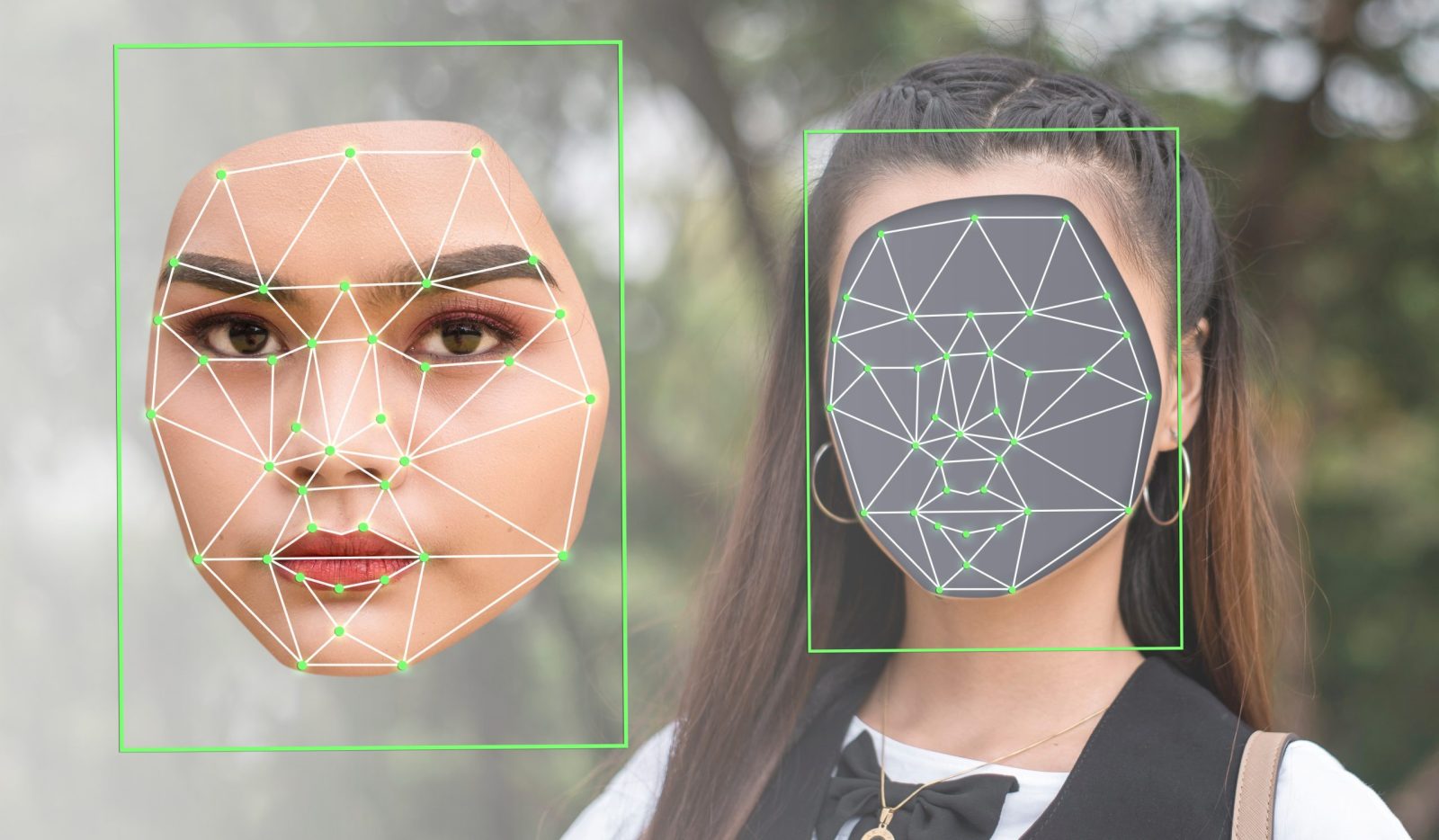
In recent years, the emergence of deepfake technology has revolutionized the way we perceive media, bringing both opportunities and challenges. Deepfakes, which use artificial intelligence (AI) to create hyper-realistic but fake content, have become a focal point of discussion in legal and ethical circles, especially in the United Arab Emirates (UAE).
The Rise of Deepfake Technology
Deepfakes leverage sophisticated machine learning algorithms to manipulate audio, video, and images, creating realistic portrayals of individuals doing or saying things they never actually did. While this technology holds potential for entertainment and creative industries, it also poses significant risks, particularly in the realms of misinformation, privacy infringement, and cybercrime.
Legal Challenges in the UAE
The UAE has recognized the potential dangers of deepfakes and has begun to address the legal implications. The primary concerns revolve around:
- Misinformation and Defamation: Deepfakes can be used to spread false information, potentially damaging reputations and causing widespread misinformation.
- Privacy Violations: Creating and distributing deepfakes without consent can infringe on personal privacy and lead to identity theft.
- Cybersecurity Threats: Deepfakes can be employed in social engineering attacks, making it easier for cybercriminals to deceive and manipulate individuals.
Regulatory Responses
To combat these issues, the UAE has introduced several regulatory measures. The government is focusing on enhancing cybersecurity frameworks and establishing clear legal standards for the creation and dissemination of AI-generated content. These efforts aim to balance the innovative potential of deepfakes with the need to protect individuals and society from their misuse.
Ethical Considerations
Beyond legal regulations, there are ethical considerations surrounding the use of deepfakes. Organizations and developers are encouraged to adopt ethical guidelines that prioritize transparency, consent, and the prevention of harm. Educating the public about the existence and potential misuse of deepfakes is also crucial in fostering a more informed and resilient society.
Source of the news: Global Compliance News