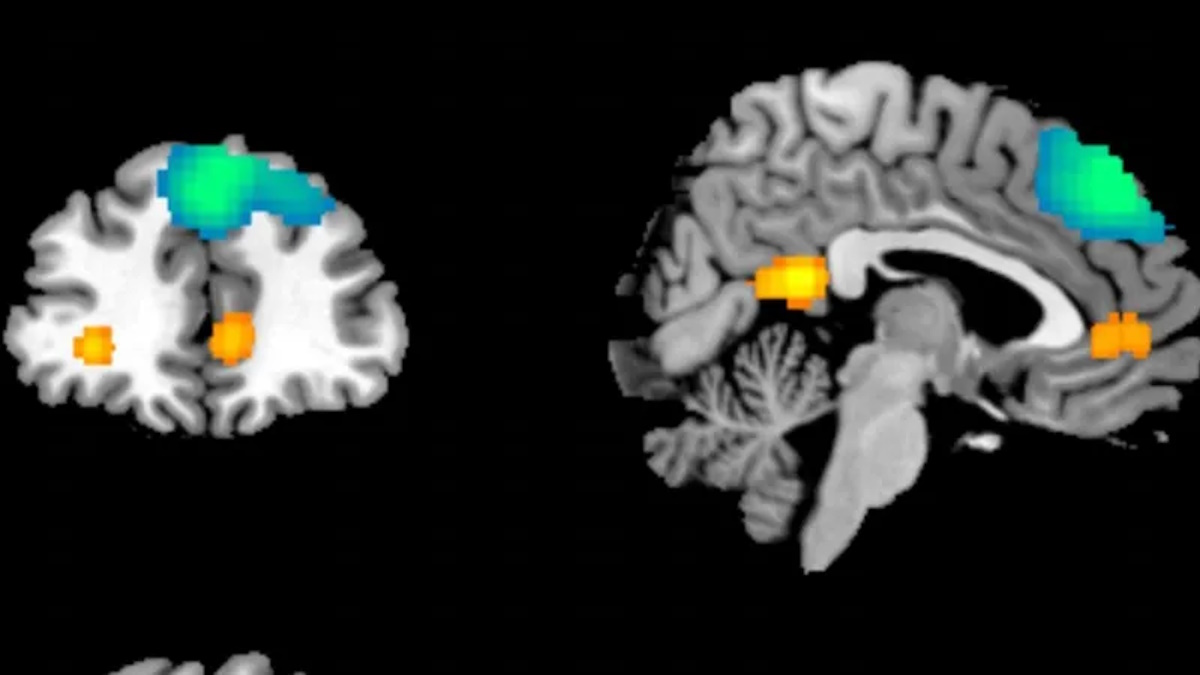
A groundbreaking study conducted by the University of Essex, the largest of its kind, has shed new light on the impact of childhood trauma on the brain, offering hope to survivors.
Utilizing artificial intelligence (AI), researchers reanalyzed hundreds of brain scans from individuals who endured abuse and acute emotional distress during childhood. Led by Dr. Megan Klabunde, a child clinical and health psychologist and psychology lecturer at the University of Essex, the study revealed that trauma alters the development of the young brain, influencing critical areas such as problem-solving and empathy.
According to Dr. Klabunde, the findings hold promise for the development of new treatments aimed at reversing the effects of trauma. She noted that trauma can have lasting repercussions, affecting one in three children and young people by the age of 18, as highlighted by the UK Trauma Council.
While previous studies have shown that trauma physically alters the brain, this research used AI to uncover new patterns in the data, deepening our understanding of the effects of trauma. Dr. Klabunde emphasized that there are clear changes in key brain clusters related to problem-solving and self-focus, which can lead to difficulties in managing emotions, forming relationships, and understanding one’s own body. Additionally, memory and decision-making abilities were found to be influenced by childhood trauma.
Survivors like Valerie and Kari, who shared their experiences, expressed gratitude for the study’s findings. Valerie, who experienced female genital mutilation (FGM) at the age of 16, described the research as validating her experiences and providing clarity. Similarly, Kari, who was sexually abused as a child, found solace in understanding that her struggles were not her fault.
Both Valerie and Kari are members of Essex Trauma Ambassadors, a support group for survivors that also contributes to shaping healthcare services. Dr. Klabunde highlighted the need for treatments that address the full spectrum of trauma’s impact on the body, self-perception, and relationships. She believes that with the right interventions, it is possible to reverse the brain rewiring caused by childhood trauma, bringing hope to survivors.
Source: bbc.com