

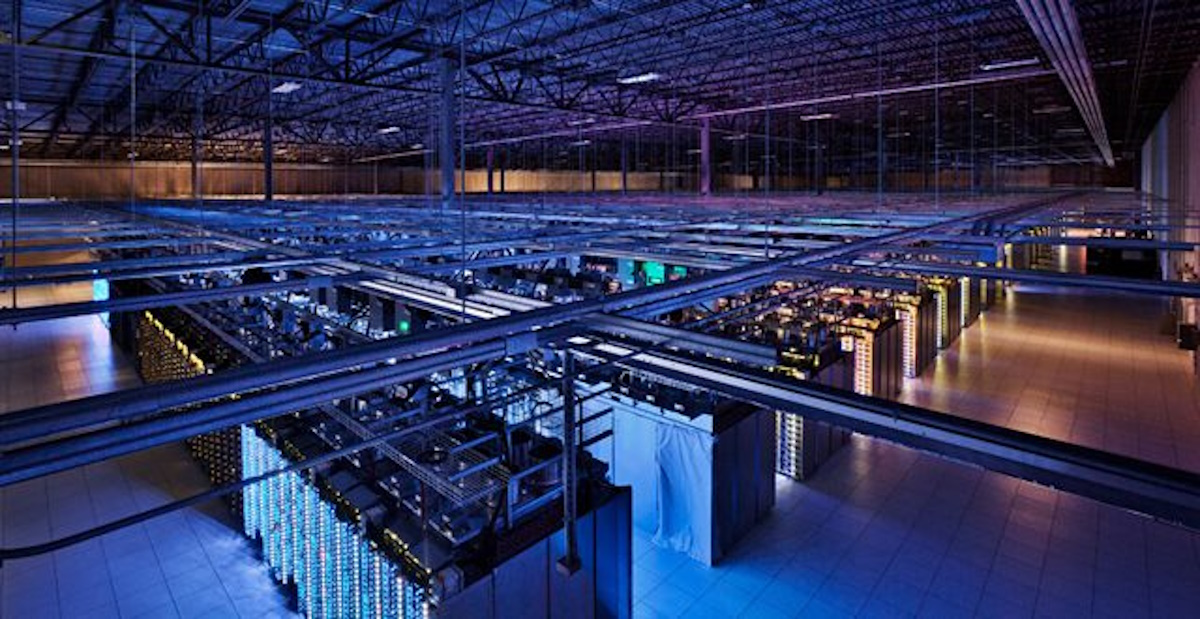
The concept of transforming traditional data centres into artificial intelligence (AI) factories is gaining traction as organizations seek to harness the full potential of AI technologies. This evolution involves rethinking the design, infrastructure, and operations of data centres to support AI-driven workloads and applications.
The Shift to AI Factories
Traditional data centres were designed to support a range of IT services, such as data storage, processing, and networking. However, the rise of AI has introduced new requirements and challenges, necessitating a shift towards AI factories. Key aspects of this transformation include:
- Infrastructure Upgrades: AI workloads require high-performance computing (HPC) resources, such as powerful GPUs and specialized AI accelerators. Upgrading the infrastructure to support these resources is essential for efficient AI processing.
- Data Management: AI applications rely on vast amounts of data for training and inference. Efficient data management practices, including data storage, retrieval, and processing, are critical for the success of AI initiatives.
- Scalability: AI factories must be designed to scale seamlessly to accommodate increasing volumes of data and AI workloads. This involves implementing scalable architectures and flexible resource allocation strategies.
- Energy Efficiency: AI processing can be energy-intensive. Optimizing energy efficiency through advanced cooling systems, power management, and renewable energy sources is crucial for sustainable AI operations.
Benefits of AI Factories
Transforming data centres into AI factories offers several benefits for organizations:
- Enhanced Performance: AI factories are optimized for high-performance computing, enabling faster and more efficient AI processing.
- Improved Scalability: Scalable architectures allow organizations to expand their AI capabilities as needed, supporting growth and innovation.
- Cost Efficiency: Efficient resource allocation and energy management practices help reduce operational costs associated with AI processing.
- Innovation and Agility: AI factories provide the infrastructure needed to support innovative AI applications, enabling organizations to respond quickly to changing market demands.
Challenges and Considerations
While the benefits of AI factories are significant, organizations must address several challenges during the transformation process:
- Initial Investment: Upgrading infrastructure and implementing new technologies can require significant upfront investment.
- Skill Requirements: Developing and managing AI factories requires specialized skills in AI, data management, and HPC. Investing in talent and training is essential.
- Security and Compliance: Ensuring the security and compliance of AI factories is critical, particularly when handling sensitive data and adhering to regulatory requirements.
- Integration: Seamlessly integrating AI factories with existing IT infrastructure and workflows can be complex and resource-intensive.
Future Outlook
The evolution of data centres into AI factories is expected to continue as organizations increasingly recognize the value of AI. Future developments may include further advancements in HPC technologies, enhanced data management practices, and improved energy efficiency solutions.
In conclusion, evolving traditional data centres into AI factories is a strategic move for organizations seeking to leverage the full potential of AI. By upgrading infrastructure, optimizing scalability, and ensuring energy efficiency, organizations can create AI factories that drive innovation, improve performance, and support sustainable growth.
Source of the news: IT Brief

